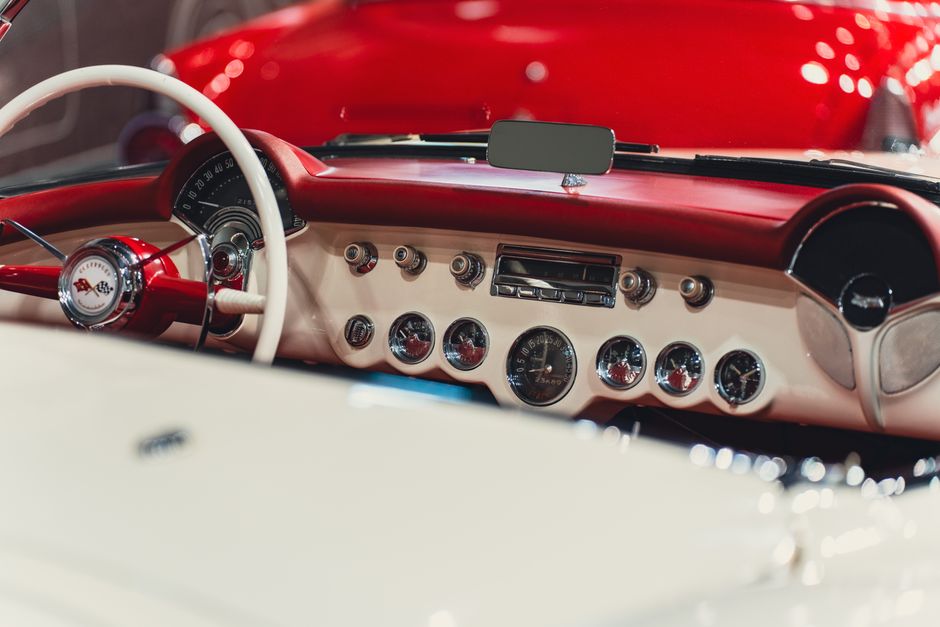
Vehicle Servicing Schedule Guide

Complete maintenance timeline for protecting your vehicle's finish and performance

Understanding Service Intervals

A comprehensive servicing schedule represents a roadmap for maintaining your vehicle's protection, performance, and long-term value. Unlike factory maintenance schedules that focus primarily on mechanical systems, a complete vehicle care plan addresses protective coatings, surface conditions, and environmental contamination management. Professional vehicle owners recognize that protective treatments and regular detailing extend component lifespan while preserving finish quality and vehicle appearance.

Service intervals vary based on several factors: climate conditions, driving patterns, vehicle usage, existing protective treatments, and storage environment. A vehicle garaged in a mild climate requires different care than one exposed to salt air, harsh winters, or intense sunlight. Commercial fleet vehicles subjected to daily use demand more frequent attention than weekend-only vehicles. Understanding these variables allows vehicle owners to develop personalized maintenance plans that deliver optimal results within realistic timeframes and budgets.
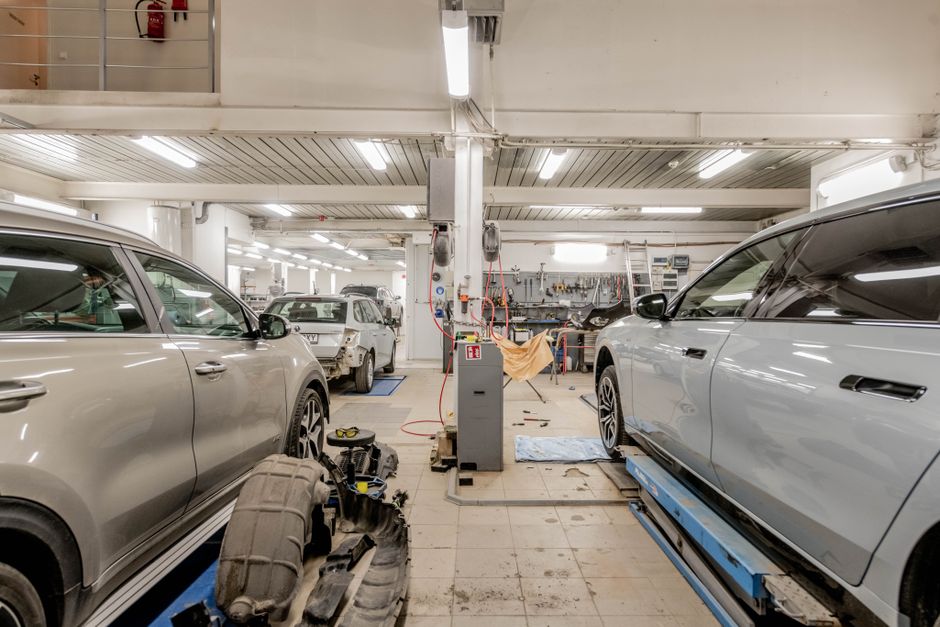
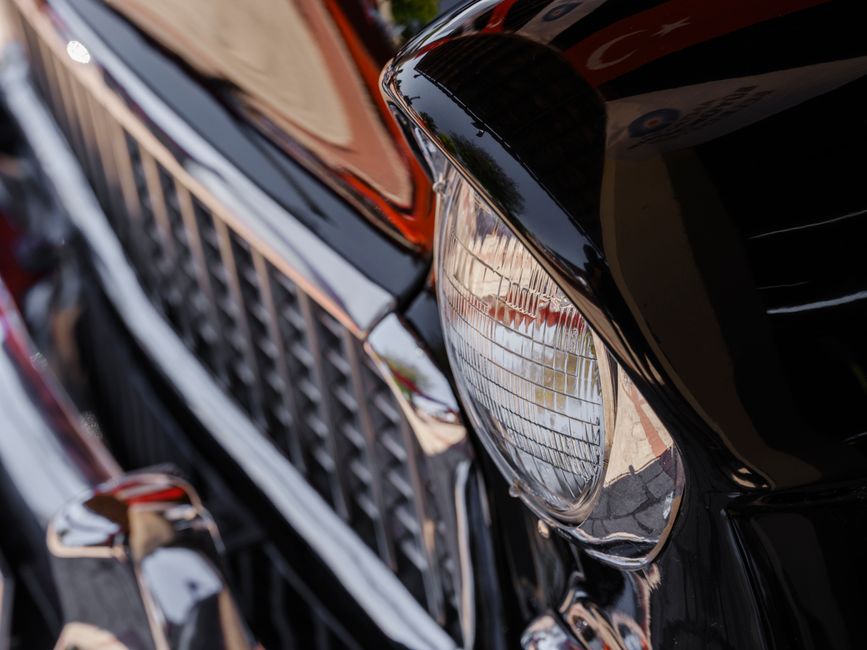
Professional team collaboration in paint protection installation and vehicle care services
Professional vehicle servicing involves coordinated expertise across multiple specializations, from protective film installation to detailed surface preparation and ongoing maintenance protocols.

Monthly Maintenance Tasks

Monthly vehicle inspection and light maintenance prevent small issues from escalating into expensive repairs. Visual inspection of tires for proper inflation, wear patterns, and foreign objects takes just minutes but catches dangerous conditions before they affect safety. Checking fluid levels—windshield washer, engine oil, coolant, and brake fluid—ensures systems operate properly. Many vehicle owners overlook these fundamental checks, leading to performance degradation and component damage.

Interior cabin checks should include reviewing all lighting systems, testing climate control functionality, and inspecting wiper blade condition. Problems discovered during monthly reviews can be scheduled during convenient service appointments rather than requiring emergency repairs. Regular interior vacuuming and dusting prevent particle buildup that can damage ventilation systems and affect air quality. These simple monthly tasks significantly extend vehicle lifespan and maintain safe operating conditions year-round.

Exterior monthly inspection involves walking around the vehicle checking for developing paint damage, including stone chips, tree sap spots, or bird droppings that may have etched protective coatings. Early discovery of damage allows professional repair before contamination penetrates clear coat and base paint. Undercarriage inspection, particularly in winter climates, checks for salt accumulation and potential corrosion development. Professional detailing services can address these issues during scheduled appointments.

Quarterly Deep Cleaning and Inspection

Every three months, comprehensive vehicle cleaning addresses areas overlooked during regular maintenance. Professional detailing during quarterly service removes built-up contamination from wheels, undercarriage, and hard-to-reach areas where brake dust, salt, and environmental fallout accumulate. This preventive approach stops contamination before it damages protective coatings or causes mechanical problems. Wheels and tires benefit from thorough cleaning that removes brake dust and heavy grime, extending tire lifespan and improving appearance.

Quarterly clay bar treatment removes embedded contaminants that regular washing cannot eliminate. This process, performed by professionals with proper techniques, prepares surfaces for inspection and allows protective treatments to perform optimally. Quarterly detailing also includes comprehensive interior cleaning—shampooing upholstery, conditioning leather, cleaning air vents, and treating surfaces with appropriate protectants. This schedule maintains vehicle condition between major service appointments and prevents depreciation from neglected appearance and interior quality.

Premium ceramic coating protection service application
Professional ceramic coating applications provide protective benefits that require specific maintenance schedules to ensure optimal longevity and continued performance throughout their rated lifespan.

Semi-Annual Professional Detailing

Twice yearly professional detailing performs comprehensive surface assessment and maintenance that preserves long-term vehicle value. Spring detailing addresses winter damage—salt accumulation, undercarriage corrosion, and weather-related deterioration. Fall detailing prepares vehicles for winter exposure, applying protective treatments and addressing any summer sun damage. These critical service appointments combine protective benefits with damage prevention, extending the lifespan of protective treatments already applied to the vehicle.

Semi-annual professional services include assessment of existing protective coatings—evaluating ceramic coating hydrophobic properties, paint protection film condition, and overall surface protection status. Professionals identify areas where protective treatments show deterioration and recommend reapplication or touch-up services. This proactive approach prevents unprotected areas from developing problems while maintaining comprehensive coverage. Documented service records provide valuable information for future vehicle sale or trade-in scenarios.

Glossy paint correction results showcasing surface enhancement
Professional detailing and paint correction services deliver dramatic improvements in surface appearance and condition, extending the lifespan of protective finishes.

Annual Comprehensive Assessment

Annual vehicle assessment represents a complete evaluation of protective treatments, surface condition, and overall vehicle protection strategy. Professional inspection includes paint thickness measurement to verify clear coat integrity, assessment of ceramic coating hydrophobic properties, paint protection film condition evaluation, and comprehensive interior and exterior condition review. This annual appointment identifies developing issues and allows strategic planning for upcoming protective treatments or repairs needed during the next year.

Annual assessment typically coincides with significant service events like tire rotation, brake inspection, or other mechanical maintenance. Coordinating these services ensures comprehensive vehicle evaluation across all systems. Professional documentation of annual assessment conditions establishes baseline records useful for tracking long-term vehicle condition and maintenance effectiveness. This information proves valuable when addressing warranty claims or discussing vehicle condition during future sales or trade transactions.

Seasonal Maintenance Considerations

Seasonal changes introduce unique challenges requiring adjusted maintenance approaches. Winter preparation includes undercarriage inspection and protective coating application to prevent salt corrosion, checking windshield washer fluid concentration for freezing protection, and ensuring tire tread depth meets winter safety requirements. Spring maintenance removes winter road salt and dried road treatments, addresses weather-related paint damage, and reapplies protective coatings compromised by harsh conditions.

Summer maintenance focuses on UV protection given increased sun exposure. Paint protection film application or reapplication provides optimal sun protection during peak exposure months. Ceramic coating assessment ensures hydrophobic properties remain intact, as intense UV radiation can compromise some coating formulations over extended periods. Fall preparation addresses residual summer damage and applies protective treatments before winter exposure begins. This cyclical approach maintains vehicle protection throughout seasonal variations.

Professional car detailing results showing enhanced shine and surface quality
Consistent professional detailing according to recommended service schedules maintains vehicle appearance and protective coating effectiveness throughout the vehicle's lifespan.

Protective Treatment Maintenance Schedules

Different protective treatments require specific maintenance protocols to ensure optimal performance and longevity. Ceramic coatings, once cured, require maintenance washing with pH-neutral products and periodic inspection for hydrophobic property degradation. Most professional ceramic coatings benefit from annual boost applications that refresh protective properties and extend overall lifespan. Paint protection film maintenance focuses on ensuring adhesive integrity, preventing edge lifting, and protecting the film itself from abrasive damage.

Paint protection film typically requires less frequent intervention than ceramic coatings but benefits from professional inspection during annual service appointments. Traditional wax-based protection, while requiring more frequent reapplication than modern ceramic coatings, represents an economical entry point for vehicle owners beginning protective treatment investment. Wax protection typically requires reapplication every three to four months depending on exposure and maintenance practices. Professionals can assess which protective approach best matches individual vehicle usage and owner preferences.

Fleet and Commercial Vehicle Scheduling

Commercial fleet vehicles demand accelerated maintenance schedules reflecting intensive daily use and continuous environmental exposure. Fleet managers benefit from establishing relationships with professional service providers who understand commercial vehicle requirements and can coordinate bulk service appointments for multiple vehicles. Strategic fleet maintenance prevents unexpected downtime and extends fleet vehicle lifespan, reducing long-term fleet operation costs.

Fleet documentation and scheduling systems track individual vehicle condition, service history, and upcoming maintenance needs across the entire fleet. Professional service providers with fleet experience understand these coordination requirements and can adjust scheduling approaches to minimize fleet vehicle downtime while ensuring comprehensive protective treatment maintenance. Economic benefits of coordinated fleet maintenance often exceed costs of individual vehicle service, making professional fleet relationships valuable for commercial vehicle operators.